Global Alert: New Superbug Spreads as Fast as Flu, Scientists Say
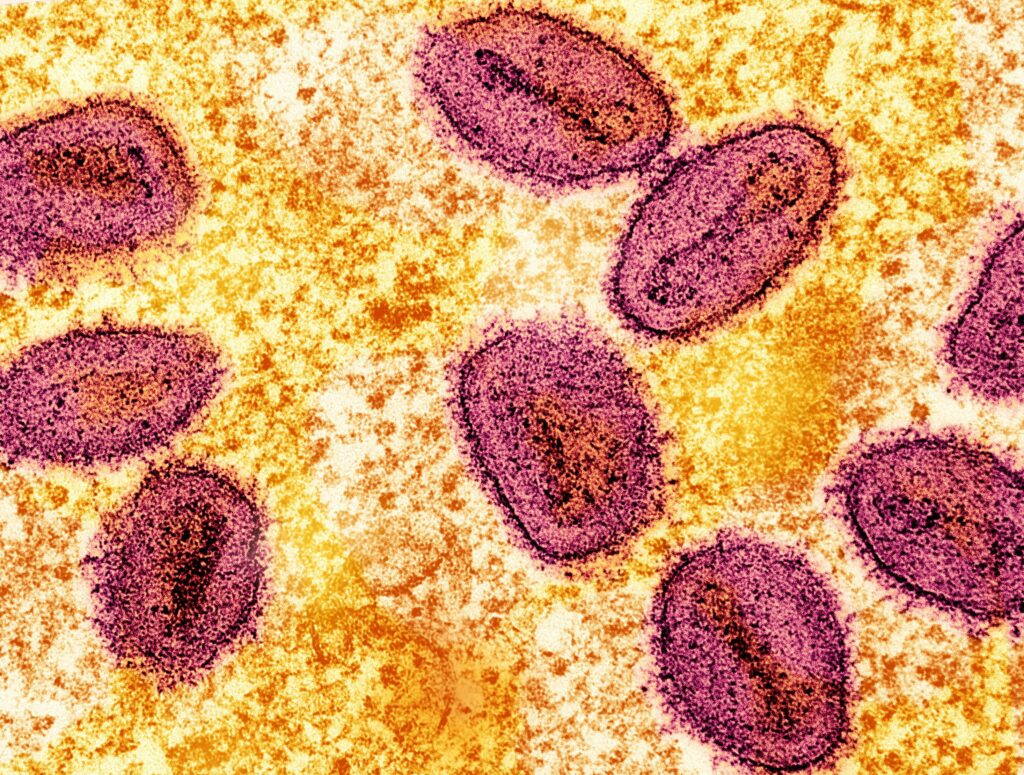
Introduction
A chilling warning from health experts has sent shockwaves across the globe: a new antibiotic-resistant superbug is spreading at a pace comparable to the seasonal flu. Scientists say this emerging strain — which can survive most existing medications — poses one of the biggest threats to global health since the COVID-19 pandemic.
Unlike typical bacterial infections, this superbug doesn’t respond to standard antibiotics, leaving doctors scrambling for effective treatments. Hospitals in several countries are already reporting clusters of cases, and the World Health Organization (WHO) has issued an urgent call for surveillance, research, and containment.
If this continues unchecked, experts warn, the world could face a “post-antibiotic era” — a time when minor injuries or infections could once again become deadly.
Key Takeaways
- Scientists have identified a new antibiotic-resistant “superbug” spreading rapidly worldwide.
- It can spread through airborne droplets, making it as contagious as the flu.
- The pathogen shows resistance to nearly all major classes of antibiotics.
- Health officials are urging global cooperation to prevent a large-scale outbreak.
- Without new drugs or containment measures, a global health crisis may be imminent.
1. What Exactly Is a Superbug?
A superbug is a strain of bacteria that has developed resistance to multiple antibiotics — the drugs designed to kill them. This resistance evolves over time, often accelerated by overuse and misuse of antibiotics in both humans and livestock.
The newly discovered superbug, currently being studied under the provisional name “Staphylococcus XDR-25,” has alarmed scientists for its unprecedented adaptability. Early data show it can survive some of the strongest antibiotics, including carbapenems and colistin, which are typically reserved for last-resort treatments.
Why It’s Dangerous
- Rapid mutation rate: It evolves faster than existing drugs can neutralize it.
- Cross-environment survival: It can live on surfaces, in water, and even resist some disinfectants.
- Airborne transmission: Unlike most bacteria, this one appears capable of spreading through coughing and sneezing.
This combination of factors makes XDR-25 uniquely threatening — not only for hospitals but for communities worldwide.
2. How the Outbreak Began
According to WHO’s early report, the first known cluster of infections appeared in South Asia late last year. Initially, doctors mistook the illness for pneumonia, as patients presented with fever, cough, and fatigue. But when antibiotics failed to work — and cultures revealed resistance across multiple drug classes — alarms went off.
By mid-2025, cases had appeared in Europe, North America, and parts of Africa, likely spread by international travel.
Confirmed Symptoms Include:
- High fever (often above 39°C or 102°F)
- Shortness of breath and persistent cough
- Fatigue and muscle aches
- Chest pain or lung inflammation
- In severe cases, bloodstream infection (sepsis)
Health officials emphasize that early detection and isolation are critical to slowing transmission.
3. Why Scientists Are Calling This a “Global Alert”
What sets this outbreak apart from previous bacterial threats is its speed and scope. Typically, antibiotic-resistant infections spread slowly within hospitals or long-term care facilities. But this new strain seems to have community-level transmission similar to influenza — an unprecedented scenario.
Dr. Amara Desai, an infectious disease specialist at the University of Oxford, explained:
“This is the first time we’ve seen a bacterial pathogen with both pandemic potential and near-complete antibiotic resistance. It’s a frightening combination.”
The Scale of Concern
- Over 20 countries have reported confirmed or suspected cases.
- Hospital-acquired infections have doubled in some regions within months.
- Scientists have detected the bug on public transportation surfaces, suggesting environmental persistence.
In other words, this isn’t just a hospital problem anymore — it’s a public health emergency.
4. The Role of Antibiotic Overuse
Experts have long warned that antibiotic resistance would one day become a global crisis. The overuse of antibiotics — both in medical prescriptions and agriculture — has accelerated bacterial evolution.
Contributing Factors
- Overprescription: Doctors prescribing antibiotics for viral illnesses like colds or flu.
- Livestock farming: Use of antibiotics to promote growth in animals.
- Incomplete treatments: Patients not finishing prescribed courses, allowing bacteria to survive and mutate.
The result? Bacteria are becoming smarter, stronger, and more resistant every year. The rise of XDR-25 is, unfortunately, the predictable consequence of decades of misuse.
5. How Scientists Are Fighting Back
Despite the grim headlines, there’s hope. Researchers and pharmaceutical companies are mobilizing faster than ever before.
Current Strategies Include:
- Developing new antibiotics: Scientists are exploring synthetic peptides and phage therapy, which use viruses that attack bacteria.
- AI-assisted drug discovery: Artificial intelligence models are identifying potential compounds faster than traditional lab testing.
- Improved diagnostics: Rapid tests are being developed to distinguish resistant infections early.
- Global data sharing: International labs are now collaborating in real-time to track mutations and map spread patterns.
Dr. Marcus Lee, a microbiologist at Johns Hopkins University, notes:
“If we learned anything from COVID-19, it’s that speed and transparency are everything. We must act globally and swiftly before this becomes uncontrollable.”
6. What You Can Do to Stay Safe
While this new superbug hasn’t reached pandemic levels yet, health officials recommend proactive measures — similar to flu prevention.
Practical Steps
- Practice good hygiene: Wash hands regularly with soap and water.
- Avoid unnecessary antibiotics: Only take them when prescribed by a doctor.
- Cover coughs and sneezes: Reduce airborne transmission in public spaces.
- Disinfect high-touch surfaces: Phones, keyboards, doorknobs, and public handles.
- Stay informed: Follow updates from trusted sources like WHO or CDC.
For healthcare workers, strict infection control — including isolation protocols and protective gear — is essential to prevent hospital outbreaks.
7. Lessons from the Past
The world has faced bacterial and viral crises before — from SARS to COVID-19 to MRSA. Each one taught valuable lessons about the importance of preparedness and scientific collaboration.
Unlike a virus, bacteria can evolve even faster when exposed to antibiotics. Without proper stewardship and new treatment strategies, experts fear we may face an era where simple infections — like strep throat or urinary tract infections — could once again be deadly.
This new superbug serves as a wake-up call that modern medicine cannot afford complacency.
Conclusion
The emergence of a superbug spreading as fast as the flu is a stark reminder of humanity’s fragile relationship with antibiotics. Decades of overuse have given rise to pathogens that outsmart even our best medicines.
While the world races to contain this threat, there’s still time to act — through public awareness, responsible antibiotic use, and rapid scientific innovation.
The $4 trillion global health market can’t buy back the effectiveness of antibiotics once it’s gone. But through vigilance, cooperation, and smart science, we can stop this crisis before it becomes the next pandemic.
Because in the fight against superbugs, every precaution, every discovery, and every decision matters.
FAQs
What is a superbug?
A superbug is a bacterium that has developed resistance to multiple antibiotics, making it difficult or impossible to treat with standard medications.
Where did the new superbug originate?
Early reports trace the first cases to South Asia, though it has now spread to multiple continents.
How is this superbug transmitted?
It spreads through droplets (like coughing or sneezing) and contaminated surfaces — similar to how the flu spreads.
Can it be treated?
Currently, only a few experimental antibiotics show partial effectiveness. Scientists are urgently developing new treatments.
Should the public be worried?
Not panicked — but aware. Practicing good hygiene, avoiding misuse of antibiotics, and staying informed are key to prevention.