Travel Tips
Introduction
Traveling is one of life’s greatest joys—it opens your mind, introduces you to new cultures, and fills your camera (and heart) with unforgettable memories. But let’s be honest: between flight delays, packing chaos, and confusing exchange rates, travel can also be stressful if you’re not prepared.
The good news? With the right strategies and mindset, you can turn any trip into a smooth, fun, and memorable experience. In this guide, we’ll cover practical travel tips to help you plan smarter, pack lighter, save money, and stay safe—whether you’re exploring a new city, going on a beach vacation, or backpacking across the globe.
Key Takeaways
- Planning ahead saves time, money, and unnecessary stress during your trip.
- Packing smart means bringing essentials and avoiding heavy, unused items.
- Budgeting wisely helps you enjoy your trip without financial worries.
- Safety awareness keeps you protected while traveling abroad or solo.
- Flexibility is the key to making travel enjoyable, even when plans change.
Planning Your Trip
Good travel starts long before you step on a plane. Proper planning helps you avoid last-minute chaos and ensures you get the most out of your adventure.
Start by researching your destination—check the local culture, weather, and top attractions. Make a rough itinerary but don’t overpack your schedule. Some of the best travel memories happen when you leave room for spontaneity.
Book flights and accommodations early, especially during peak travel seasons. Compare prices across websites and sign up for fare alerts. Apps like Skyscanner or Google Flights can help you find great deals with minimal effort.
Choosing the Right Destination
Pick a destination that fits your interests and budget. Love food? Visit Italy or Thailand. Craving nature? Try New Zealand or Iceland. Traveling with kids? Look for family-friendly destinations with accessible amenities.
Also, consider the best time to go. Off-season travel can save money and help you avoid crowds, making your experience more authentic and relaxed.
Getting Your Travel Documents Ready
Don’t overlook the paperwork! Make sure your passport is valid for at least six months beyond your travel dates. Research visa requirements in advance—some countries take weeks to process applications.
Keep digital and physical copies of important documents like your passport, ID, travel insurance, and tickets. Store them securely and separately to avoid headaches if something gets lost.
Packing Smart
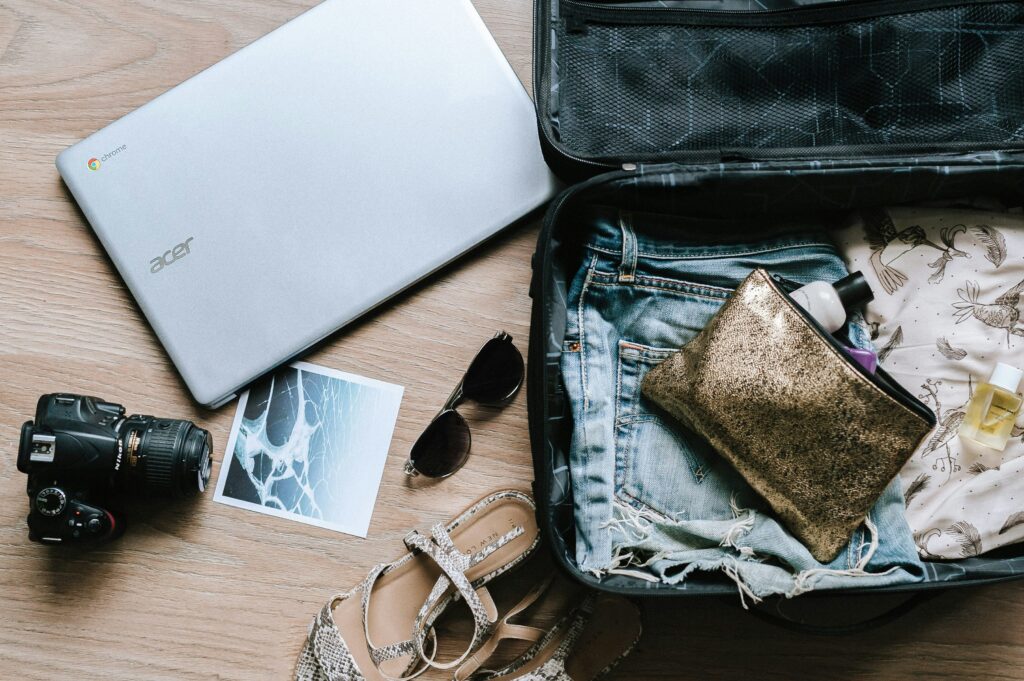
Packing light is an art—and mastering it makes traveling far easier. Overpacking is the most common mistake travelers make. Remember: you don’t need your entire closet on vacation!
Travel Packing Essentials
Here’s a simple checklist for every traveler:
- Comfortable walking shoes
- Lightweight clothing that can mix and match
- A reusable water bottle
- Travel-size toiletries
- Power adapter and chargers
- Travel insurance papers
- Basic first-aid kit
Pro tip: roll your clothes instead of folding them to save space and reduce wrinkles. Packing cubes are also a game changer for staying organized.
Carry-On Tips
Always keep essentials in your carry-on—medications, valuables, documents, and a change of clothes. If your checked luggage gets delayed (it happens more than you think), you’ll still have what you need for the first day or two.
Budgeting for Travel
You don’t need to be rich to travel well—you just need to be smart about spending.
Saving Before You Go
Set a travel fund and save gradually. Cut small expenses at home—like daily coffees or subscriptions—and redirect that money to your travel account.
Managing Money Abroad
Use a mix of payment methods: cash for small purchases and a no-foreign-fee credit card for larger expenses. Always inform your bank before you travel to prevent card freezes.
Also, track your spending daily. Apps like Trail Wallet or TravelSpend make budgeting on the go easy and stress-free.
Staying Safe While Traveling
Safety should always be your top priority, especially when exploring new places.
Health and Security Tips
- Research common scams in your destination.
- Avoid flashing cash or expensive jewelry.
- Keep your belongings close in crowded areas.
- Stay hydrated and eat safely to avoid illness.
- Get travel insurance—it’s worth every penny in emergencies.
If you’re traveling solo, share your itinerary with someone you trust and check in regularly. Use reputable transportation services and avoid walking alone late at night in unfamiliar places.
Staying Healthy on the Road
Jet lag, strange food, and long flights can take a toll on your body. Get enough sleep, stretch during flights, and drink plenty of water. Carry basic medicine for headaches, stomach issues, and allergies.
Eating local cuisine is part of the fun, but trust your instincts—if a place looks unsanitary, skip it. Your stomach will thank you later!
Making the Most of Your Trip
Travel isn’t just about ticking off landmarks—it’s about connecting with the world. Talk to locals, learn basic phrases, and try authentic dishes. Be curious and respectful of cultural differences.
Take time to unplug. Enjoy the sunrise, explore hidden alleys, and say yes to new experiences. Some of the best travel moments come from unplanned adventures and simple kindness from strangers.
Conclusion
Travel has the power to change how you see the world—and yourself. Whether you’re venturing to a new continent or exploring your own backyard, preparation and awareness can make every journey unforgettable.
Pack light, stay open-minded, and embrace every moment—the missteps, the magic, and everything in between. After all, the best travel stories usually start with, “Remember that time when…”
FAQs
What’s the best way to save money while traveling?
Book in advance, travel during the off-season, and use budget-friendly accommodations like hostels or Airbnb.
How early should I book flights?
Ideally, 6–8 weeks before your trip for domestic flights and about 2–3 months for international ones.
What’s the safest way to carry money abroad?
Use a combination of credit cards and small amounts of local cash. Keep them in separate, secure places.
How do I avoid jet lag?
Adjust your sleep schedule before your trip, stay hydrated, and get sunlight exposure as soon as you arrive.
Is travel insurance really necessary?
Yes! It protects you from unexpected events like medical emergencies, cancellations, or lost luggage.