Panic Attack Symptoms Checklist: Spot the Signs
A panic attack symptoms checklist can help you spot fast-rising fear, chest pain, dizziness, and more – and know when to get help fast.
One minute you are answering a text, standing in line, or trying to fall asleep. The next, your heart is slamming, your chest feels tight, your hands are shaking, and your brain is screaming that something is terribly wrong. That is exactly why a panic attack symptoms checklist matters. In the moment, panic can feel so intense that people mistake it for a heart attack, a medical emergency, or a total mental breakdown.
Panic attack symptoms checklist
A panic attack is a sudden wave of intense fear or extreme discomfort that ramps up fast, often within minutes. It can hit out of nowhere or follow a trigger like stress, conflict, bad news, crowded spaces, driving, or even too much caffeine. The experience is brutal because the body acts like danger is everywhere, even when there is no immediate threat.
A panic attack symptoms checklist usually includes several of these symptoms happening together:
- Racing, pounding, or skipping heartbeat
- Sweating or sudden chills
- Shaking or trembling
- Shortness of breath or a smothering feeling
- Chest pain or chest tightness
- Nausea or stomach distress
- Dizziness, lightheadedness, or feeling faint
- Tingling or numbness in the hands, feet, or face
- Feeling detached from yourself or the world around you
- Fear of losing control, going crazy, or passing out
- Fear that you are dying
- Hot flashes or cold sensations
Not every attack looks the same. Some people have loud, dramatic symptoms. Others have a quieter version that still feels terrifying, especially if the worst symptoms are internal, like derealization, dizziness, or a crushing sense of doom.
Why panic attacks feel so terrifying
Here is the twist that catches people off guard: panic attacks are real, physical events. They are not fake, exaggerated, or just someone being dramatic. When your nervous system flips into alarm mode, your body floods with stress hormones. Your heart speeds up, your breathing changes, your muscles tense, and your senses go on high alert.
That chain reaction explains why the symptoms can feel so extreme. If you breathe too fast, you may feel dizzy, tingly, or unreal. If your chest muscles tighten, it can feel like something is badly wrong with your heart. If your mind latches onto the fear, the symptoms can intensify even more.
This is also why panic can become a loop. You notice your heartbeat. That scares you. The fear spikes your body again. Then the symptoms get stronger. It can snowball fast.
The symptoms that get confused with something worse
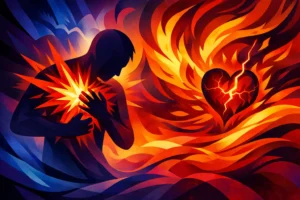
Chest pain is one of the biggest reasons people head straight to the ER, and honestly, that reaction makes sense. Panic attacks can cause chest tightness, pressure, and pain that feel alarmingly serious. Shortness of breath, sweating, nausea, and dizziness only add to the fear.
The problem is that panic attack symptoms overlap with real medical issues. A checklist can help you recognize a pattern, but it cannot diagnose you in the moment. If symptoms are new, severe, unusual for you, or paired with signs like crushing chest pain, weakness on one side, confusion, or trouble speaking, it is smart to seek urgent medical care.
That trade-off matters. You do not want to ignore a medical emergency because you assume it is panic. But you also do not want to live in fear if repeated episodes are following the same panic pattern.
What a panic attack often feels like in real life
For some people, it starts with a weird body sensation. Maybe the room feels off, your stomach drops, or your heartbeat suddenly grabs your attention. For others, it starts in the mind, with a surge of dread that feels completely out of proportion to the situation.
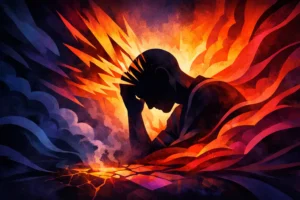
Then the body piles on. Breathing gets shallow. Hands shake. Thoughts race. A person may feel trapped, desperate to escape, or convinced they are about to collapse. Some people cry. Some freeze. Some leave stores, pull over while driving, or wake up from sleep in full panic.
That last one surprises a lot of people. Panic attacks can happen at night too. Waking from sleep with a racing heart and total terror can feel especially intense because there is no obvious trigger to blame.
Panic attack symptoms checklist vs anxiety symptoms
People often use anxiety attack and panic attack like they mean the same thing, but they are not always identical. Anxiety usually builds around a stressor and can simmer for hours or days. Panic tends to strike hard and fast, with a dramatic peak.
Anxiety symptoms can include restlessness, muscle tension, worry, trouble concentrating, and sleep problems. Panic attacks usually bring a sharper blast of physical symptoms and a stronger sense that something catastrophic is happening right now.
Still, there is overlap. A highly anxious person may slide into panic, and someone with panic attacks may also deal with ongoing anxiety between episodes. It depends on the person, their stress load, and whether there is an underlying anxiety disorder.
What can trigger a panic attack
Sometimes the trigger is obvious. Big stress, grief, relationship conflict, work pressure, trauma reminders, alcohol, stimulants, or a crowded public place can set things off. But panic is messy. Sometimes the trigger is subtle, like poor sleep, dehydration, low blood sugar, or noticing one strange body sensation and spiraling from there.
Caffeine is a huge sneaky one. For some people, too much coffee or energy drink overload can mimic the exact body sensations that launch a panic episode. That does not mean caffeine causes panic for everyone, but if your attacks tend to show up after stimulants, that clue matters.
When to get help fast
A panic attack can feel like a five-alarm emergency, but there are moments when you should not brush symptoms off as panic. Get immediate medical help if chest pain is severe or different from past episodes, if you faint, if breathing trouble is extreme, or if symptoms come with stroke-like warning signs.
Beyond emergencies, it is worth talking to a doctor or mental health professional if panic attacks keep happening, you start avoiding places because of fear, or you are constantly worried about the next one. That is how panic can start shrinking a person’s life.
What helps in the moment
When panic hits, the goal is not to magically erase it in ten seconds. The goal is to stop feeding the fire. Slowing your breathing can help, especially if you focus on a longer exhale than inhale. Grounding also matters. Naming five things you can see, pressing your feet into the floor, or holding something cold can pull attention away from the panic spiral.
It also helps to use plain, direct self-talk. Something like: This feels intense, but it will pass. My body is in alarm mode. I am safe right now. That might sound simple, but in a panic moment, clear language can cut through the chaos.
Some people find relief by stepping into a quieter space. Others feel better staying put and letting the wave pass without escaping. That part depends. If leaving every situation becomes the only coping strategy, fear can get stronger over time.
How to use a panic attack symptoms checklist wisely
A checklist is not there to scare you. It is there to help you recognize a pattern. If episodes keep happening, write down what symptoms show up, how long they last, what you were doing before they started, and whether anything helped. Patterns can reveal triggers and make the experience feel less random.
This also gives a doctor or therapist something concrete to work with. Instead of saying, I felt awful, you can say, My heart raced, my chest got tight, I felt detached, and it peaked in ten minutes after two energy drinks and almost no sleep. That is a very different conversation.
For some readers, the biggest shock is realizing they have had panic attacks for years without knowing the name for them. That label does not solve everything, but it can be the first crack of light in a very dark moment. Once you know what you are dealing with, you can start responding with less fear and more control.
If panic keeps crashing into your day, do not just tough it out and hope it disappears. Pay attention to the signs, take repeated symptoms seriously, and get support if your world is starting to shrink. The scary part is how real panic feels. The hopeful part is that it can be recognized, treated, and managed.