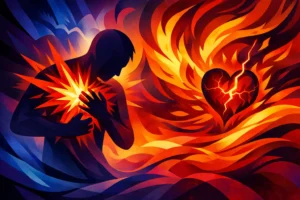
Can Stress Cause Chest Pain? Yes – Here’s Why
Can stress cause chest pain? Yes – and the feeling can be intense. Learn why it happens, how to spot red flags, and when to get help fast.
That sudden squeeze in your chest can flip a normal day into full panic mode in seconds. If you’ve ever frozen and wondered, can stress cause chest pain, the short answer is yes. And the scary part is that stress-related chest pain can feel very real, very sharp, and very hard to ignore.
Still, this is where things get tricky. Chest pain should never be brushed off automatically as “just stress,” because heart, lung, digestive, and muscle problems can all show up in similar ways. Stress can absolutely trigger chest discomfort, but it can also happen at the same time as a medical issue that needs urgent attention.
Can stress cause chest pain, or is it something else?
Yes, stress can cause chest pain. Anxiety, panic, and ongoing emotional pressure can set off physical changes in the body that create tightness, burning, pressure, stabbing pain, or an uncomfortable fluttering feeling in the chest.
When stress hits, your body shifts into fight-or-flight mode. Stress hormones surge. Your heart may beat faster, your breathing can get shallow, and your muscles may tense up without you even realizing it. That combination can make your chest feel constricted, sore, or painfully tight.
For some people, the pain shows up during a panic attack. For others, it creeps in after days or weeks of tension, poor sleep, overthinking, caffeine overload, and nonstop pressure. The result can feel dramatic enough to send someone straight to the ER – and many do, because the symptoms can be hard to tell apart from something more dangerous.
Why stress chest pain can feel so intense
This is the part that catches people off guard. Stress pain is not fake pain. It is a real body response.
A few things may be happening at once. Fast breathing can cause chest tightness and even dizziness. Tight muscles in the chest wall, shoulders, and upper back can create aching or stabbing pain. Acid reflux, which often gets worse during stress, can cause a burning sensation that feels centered in the chest. On top of that, once fear kicks in, people tend to focus intensely on every heartbeat and every sensation, which can amplify the discomfort.
That feedback loop is brutal. You feel pain, then you worry the pain means something catastrophic, then your stress spikes higher, and the chest pain gets worse. It can become a cycle within minutes.
Common ways stress-related chest pain feels
There is no single stress chest pain pattern, which is why this topic causes so much confusion. Some people describe pressure or heaviness. Others feel sharp jabs, a dull ache, chest wall soreness, or a weird tight band across the chest.
It may last a few minutes or come and go over hours. It may happen during a heated argument, while lying awake at 2 a.m., during a panic attack, or even after the stressful moment has already passed. Some people notice it more at rest than during exercise, but that is not a rule.
The symptoms that raise the stakes
Here’s the truth no one should ignore: chest pain always deserves respect.
Even if you strongly suspect stress, certain symptoms can point to a heart attack or another serious medical problem. Get emergency help right away if chest pain comes with shortness of breath, fainting, severe sweating, nausea, pain spreading to the arm, back, neck, or jaw, a crushing or heavy pressure sensation, or sudden weakness. The same goes if the pain is new, severe, or feels different from anything you’ve had before.
People with heart disease risk factors should be especially careful. That includes older age, high blood pressure, diabetes, smoking, high cholesterol, obesity, and a family history of heart disease. In those cases, guessing can be dangerous.
Can a panic attack feel like a heart attack?
Absolutely. That’s one of the biggest reasons this issue sends people into a spiral.
A panic attack can cause chest pain, racing heartbeat, trembling, sweating, shortness of breath, numbness, dizziness, and a terrifying sense that something is badly wrong. Those symptoms can look a lot like a cardiac emergency. The problem is that a heart attack can also cause anxiety and panic, so the emotional intensity does not rule out a real medical event.
That’s why doctors look at the whole picture, not just whether someone feels stressed.
How doctors tell the difference
There is no magic trick that lets someone instantly separate stress pain from heart pain at home. Doctors usually rely on the person’s symptoms, medical history, physical exam, and sometimes testing such as an EKG, blood work, chest imaging, or other evaluation.
In general, stress-related chest pain is more likely when symptoms happen during anxiety, come with rapid breathing or panic, improve as the person calms down, or have happened before and were previously checked out. But that is not a guarantee.
Heart-related pain may be more concerning if it feels like pressure, squeezing, fullness, or heaviness, especially if it appears with exertion or comes with other warning signs. Even then, real life is messy. Some heart problems feel mild. Some stress pain feels severe. That gray area is exactly why getting checked matters.
What you can do in the moment
If you are having chest pain and there is any chance it could be an emergency, seek urgent medical care. That comes first.
If you have already been evaluated and know your symptoms are stress-related, the next move is slowing the physical stress response. Sit down. Loosen tight clothing. Try breathing in slowly through your nose and exhaling longer than you inhale. Don’t force huge breaths – that can make things worse if you are hyperventilating.
It also helps to ground yourself in the present. Look around the room. Name a few things you can see. Put both feet on the floor. Remind yourself that stress can create intense body sensations, and that the wave usually peaks and eases.
If reflux tends to trigger your pain, lying flat after a heavy meal may make it worse. If muscle tension is part of the problem, gentle stretching or heat may help once the immediate fear settles.
How to stop the cycle from coming back
If stress chest pain keeps happening, the real fix usually is not one dramatic trick. It’s reducing the pressure building in the background.
Start with the basics that sound boring but matter more than people want to admit: sleep, less caffeine, regular movement, and fewer hours running on adrenaline. A body that is exhausted, overstimulated, and under constant tension is much more likely to throw out chest symptoms.
Mental health support can be a major turning point too. Therapy can help people spot the patterns behind panic, health anxiety, chronic stress, and body hypervigilance. Some people benefit from medication, especially if anxiety is frequent or overwhelming. If your chest pain has been evaluated and keeps tracking with stress, treating the stress is often the fastest way to reduce the pain.
Can stress cause chest pain every day?
It can, especially during periods of chronic anxiety or burnout. Daily chest tightness, soreness, or pressure can happen when someone is carrying nonstop stress, clenching muscles, breathing shallowly, sleeping badly, and staying on high alert.
But daily chest pain should not be self-diagnosed forever. If it keeps returning, get it assessed. Recurrent pain can still have causes like heart disease, reflux, inflammation, or musculoskeletal strain.
The biggest mistake people make
The worst move is going to either extreme. Some people ignore chest pain because they assume it’s only anxiety. Others become convinced every sensation means immediate disaster.
Neither response helps. The smarter approach is calm but serious: rule out urgent danger, then deal with the stress honestly if that turns out to be the cause. That middle ground is less dramatic than doom-scrolling symptoms, but it’s what actually protects your health.
Stress can hijack the chest in a way that feels shocking, but your body is not trying to trick you. It is signaling overload. Listen to that signal, take chest pain seriously, and if stress is behind it, treat that pressure like the real health issue it is.