What Causes Panic Attacks Suddenly?
What causes panic attacks suddenly? Learn the hidden triggers, body signals, and when a sudden panic episode may need medical attention fast.
One minute you’re standing in line, driving to work, or trying to fall asleep. The next, your heart is slamming, your chest feels tight, your hands are shaking, and your brain is screaming that something is terribly wrong. If you’ve ever wondered what causes panic attacks suddenly, you’re not being dramatic – and you’re definitely not alone.
A sudden panic attack can feel like it came out of nowhere, but that usually isn’t the full story. In many cases, the body has been building toward that moment behind the scenes. Stress, sleep loss, caffeine, buried fear, and even physical health problems can all pile up until your system hits the alarm button.
What causes panic attacks suddenly in the moment?
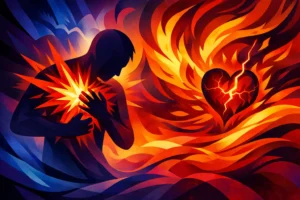
A panic attack is a surge of intense fear or physical distress that peaks fast. It can bring chest pain, sweating, dizziness, nausea, shortness of breath, tingling, chills, and the terrifying sense that you might pass out, lose control, or die. That’s why so many people mistake their first one for a heart attack.
The shocking part is how quickly it can hit. But panic is not random in the way people think. Your nervous system is built to detect danger. Sometimes it gets the message right. Sometimes it fires when there is no true emergency.
That false alarm can be triggered by emotional stress, a stimulant, a traumatic reminder, or a body sensation that your brain misreads as a threat. For example, a skipped heartbeat after too much coffee can spiral into fear. Fear then speeds up breathing. Faster breathing causes dizziness and tightness. Those sensations create more fear, and the cycle explodes.
The most common hidden triggers
Stress is one of the biggest reasons panic attacks seem to appear out of nowhere. The twist is that the attack may not happen during the most stressful moment. It can strike later, when you finally sit down, get in the shower, or lie in bed. Once the pressure eases, your body sometimes releases everything at once.
Sleep deprivation is another major trigger that people underestimate. A tired brain is more reactive, more anxious, and worse at sorting real danger from false alarms. If someone has been running on four or five hours of sleep, their threshold for panic can drop fast.
Caffeine can be a huge culprit too. Energy drinks, strong coffee, pre-workout supplements, and even some fat burners can mimic the exact physical sensations that kick off panic – racing heart, jitteriness, sweating, and feeling wired. For someone already on edge, that can be enough.
Alcohol and drugs can play a role from both directions. Being intoxicated may increase anxiety in some people, especially with marijuana, stimulants, or certain party drugs. Withdrawal can be just as brutal. A person might feel shaky, sweaty, and panicked because their body is reacting to the substance leaving their system.
Hormonal shifts matter more than many people realize. Panic symptoms can spike during pregnancy, postpartum changes, perimenopause, or certain points in the menstrual cycle. That does not mean the fear is “just hormones.” It means body chemistry can seriously affect the nervous system.
When your body sensations start the spiral
Sometimes the panic attack begins with a normal physical sensation. You stand up too fast and feel lightheaded. Your heart pounds after climbing stairs. You feel warm in a crowded room. Most people brush it off. But if you’re prone to anxiety, the brain may instantly label that sensation as danger.
That’s where something called catastrophic thinking takes over. A fast heartbeat becomes “I’m having a heart attack.” Dizziness becomes “I’m about to collapse.” Trouble catching a full breath becomes “I’m suffocating.” The fear response then pours fuel on those symptoms until the experience becomes overwhelming.
This is one reason panic attacks can happen in places that seem totally ordinary. A grocery store, highway, movie theater, elevator, or airplane can all become loaded environments if your brain starts watching your body too closely. It’s not the place itself. It’s the chain reaction happening inside you.
Mental health factors that raise the risk
People with generalized anxiety, social anxiety, PTSD, depression, or obsessive thinking can be more vulnerable to panic attacks. Trauma is especially important here. If your nervous system has learned to stay on guard, it may react hard to sounds, places, smells, memories, or situations that remind you of a past threat.
Panic disorder is another possibility. That’s when someone has repeated panic attacks and starts fearing the next one so intensely that the fear itself becomes a trigger. They may avoid driving, crowds, travel, public spaces, or being alone because they’re scared an attack will strike again.
There’s also a family angle. Some people seem more biologically sensitive to anxiety and panic. Genetics are not destiny, but they can help explain why one person shrugs off stress while another feels like their internal alarm system is permanently set to maximum.
Could it be something medical instead?
Yes, and this is where things get serious. Not every sudden wave of panic is purely psychological. Some medical conditions can cause symptoms that look exactly like a panic attack.
Problems involving the thyroid, heart rhythm, blood sugar, hormones, inner ear, or breathing can all create racing heartbeats, dizziness, shaking, chest discomfort, and fear. Certain medications can do it too, especially stimulants, decongestants, asthma medications, and some antidepressants early in treatment.
That’s why a first-time episode should not automatically be brushed off as “just anxiety,” especially if the symptoms are severe, unusual, or happening along with chest pain, fainting, confusion, or trouble breathing. It depends on the person, the context, and their medical history. If there’s any doubt, getting checked matters.
What causes panic attacks suddenly at night?
Nighttime panic attacks can be especially brutal because they jolt people awake in full terror. No argument, no traffic, no crowded room – just instant dread in the dark. That makes them feel even more mysterious.
But the same drivers can still be at work. Stress hormones, unresolved anxiety, poor sleep, sleep apnea, nightmares, blood sugar swings, and alcohol withdrawal can all contribute. Some people are holding tension all day without noticing it, and the body finally erupts once the mind goes quiet.
This is also why people sometimes say, “Nothing was even happening.” On the surface, maybe not. Underneath, the nervous system may have been overloaded for hours or days.
Why “out of nowhere” is often misleading
Panic attacks feel sudden because the peak is sudden. The buildup often isn’t. Think of it less like a random lightning strike and more like a circuit overload. The final spark is dramatic, but the strain was building before that moment.
Maybe you were under pressure at work, living on iced coffee, sleeping badly, skipping meals, scrolling yourself into stress, and ignoring tension in your chest for days. Then one small sensation tipped everything over. That does not mean you’re weak. It means your body has limits.
That trade-off matters. A person can look completely fine on the outside while their nervous system is barely holding it together. That mismatch is one reason panic is so misunderstood.
What to do if it happens
The first goal is not to “stop freaking out.” It’s to interrupt the fear spiral. Slow your breathing as best you can. Loosen your shoulders. Plant both feet on the floor. Name five things you can see. Remind yourself that panic symptoms, while terrifying, usually peak and pass.
If this is your first attack, if it feels different from prior attacks, or if you have symptoms that could point to a medical emergency, get medical help right away. It’s better to rule out something serious than gamble with your health.
If panic attacks keep happening, don’t just white-knuckle them and hope they vanish. Repeated episodes are a sign to look deeper at stress, substance use, sleep, mental health, and possible medical causes. Many people improve with therapy, medication, lifestyle changes, or a combination of the three.
The biggest shock for many sufferers is this: panic attacks are intense, but they are also treatable. The body’s alarm system can calm down. The fear of the next attack does not have to run your life forever.
If sudden panic keeps blindsiding you, take that as a signal, not a personal failure. Your body may be sounding an alarm before your mind has caught up – and listening to that alarm is the first real step toward getting your control back.